


Key Takeaways
- Dry eye can cause burning, stinging, scratchiness, and a gritty feeling in the eye.
- Watery eyes are a common dry eye symptom that often gets confused with other conditions.
- Screen time, dry air, wind, and certain medications can contribute to dry eye flare-ups.
- Simple at-home habits can help reduce discomfort between appointments.
- Persistent symptoms, redness, or vision changes are signs it’s time to see an optometrist.
Your eyes feel gritty. They water at the wrong moments. By the end of the day, they feel heavy and tired even when you’re not. If any of that sounds familiar, Eye On Health sees this pattern regularly, and dry eye is often the reason.
Dry eye happens when your eyes don’t stay properly lubricated, leading to discomfort, irritation, and sometimes blurry vision that comes and goes throughout the day.
The Most Common Dry Eye Symptoms
Dry eye doesn’t feel the same for everyone. For some, it’s a persistent stinging or burning sensation. For others, it’s more like scratchiness, as if something small is stuck inside the eye no matter how many times you blink.
Watery eyes are another common sign. It seems counterintuitive, but your eyes can actually produce more tears in response to irritation. That overflow doesn’t mean your eyes are well-lubricated. Blurred vision and sensitivity to light round out the list of symptoms many people notice day to day. If you’re also dealing with floaters or vision changes, those are worth mentioning at your next appointment too.
What Dry Eye Looks Like
Visible Signs to Watch For
Sometimes dry eye shows up in ways you can actually see in the mirror. Redness or a bloodshot appearance is one of the more noticeable signs. You might also notice stringy mucus or crustiness collecting in the corners of your eyes, especially after sleep. Eyelids that look heavy or droopy throughout the day are another sign worth paying attention to.
When Dry Eye Gets Mistaken for Something Else
Dry eye symptoms overlap with a number of other conditions, which makes it easy to misread what’s going on. Redness and watery eyes, for example, look a lot like seasonal allergies. That confusion can lead people to reach for allergy drops when what they actually need is a different kind of care. An optometrist can help figure out what’s really going on.
What Leads to a Dry Eye Flare-Up
Lifestyle and Environmental Factors
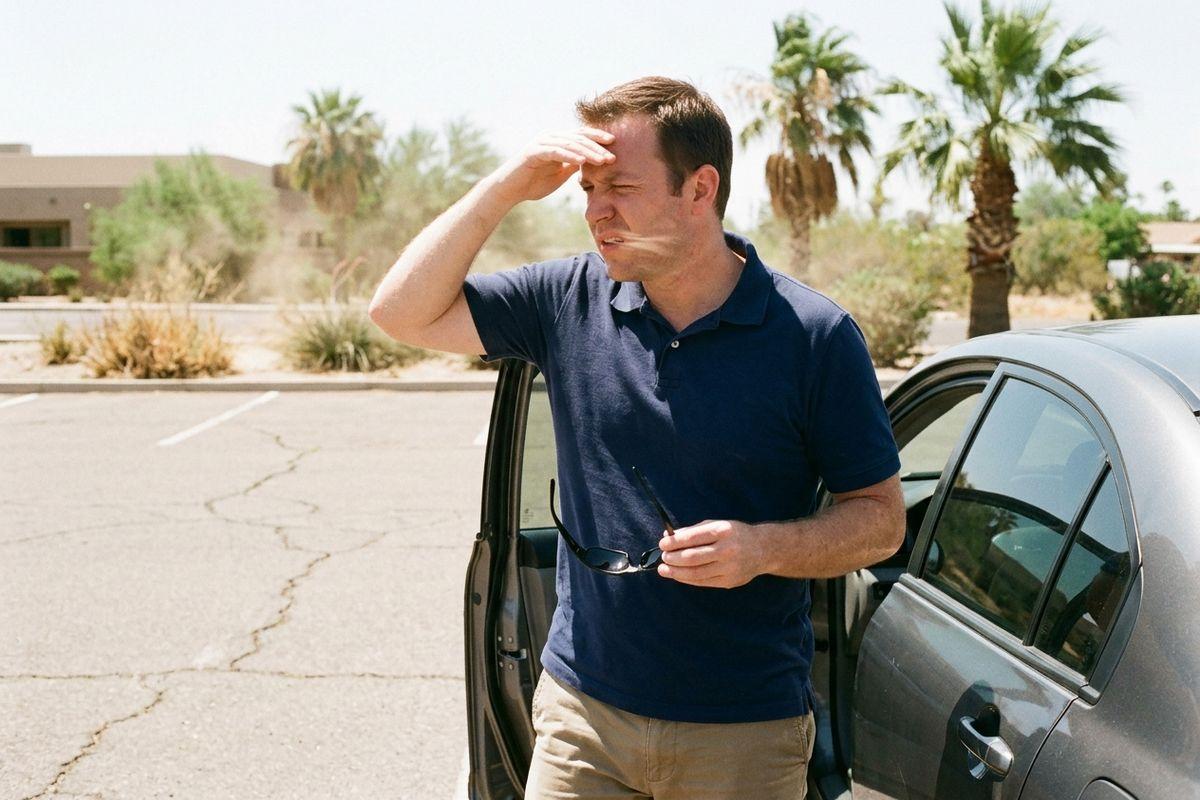
Your environment plays a bigger role than most people realize. Wind, smoke, dry desert air, and air conditioning can all pull moisture away from the surface of your eye. Phoenix’s climate, with its low humidity and hot, dry conditions, can make this especially noticeable.
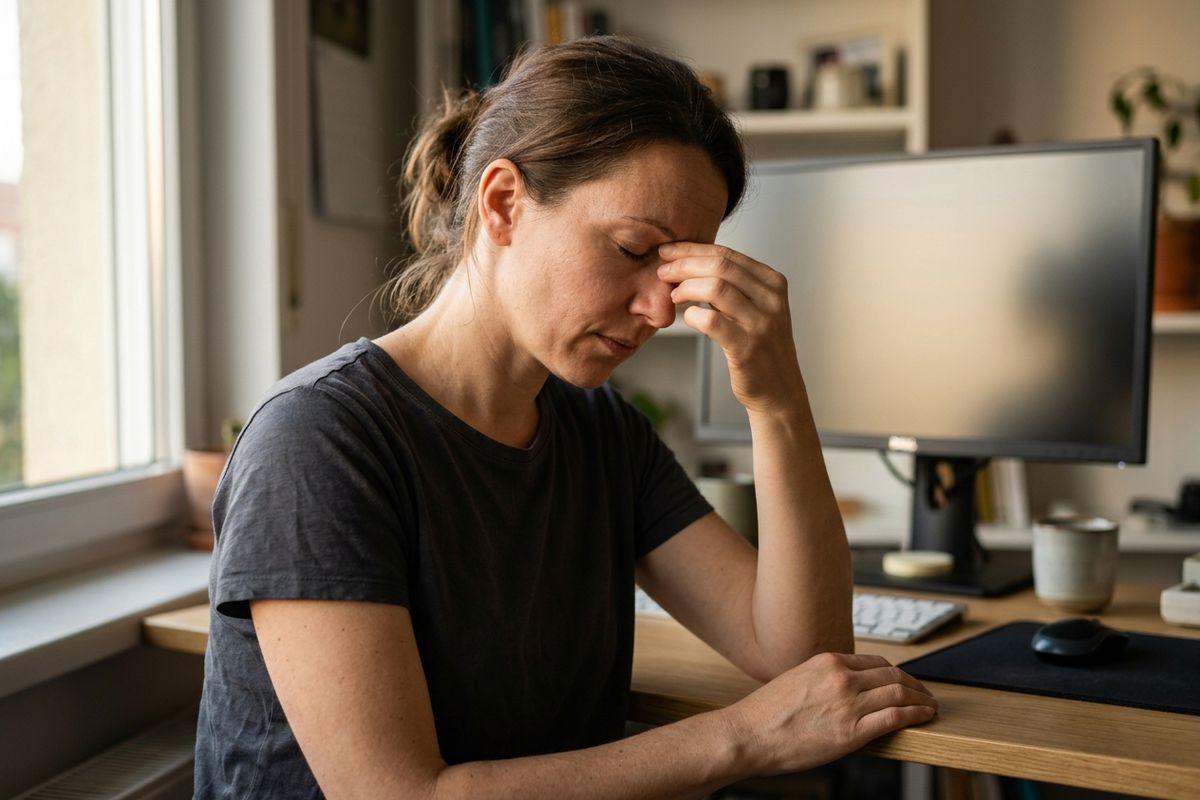
Screen time is another factor. When you’re focused on a screen, you naturally blink less often. Over a long workday or evening of streaming, that reduced blinking adds up, and your eyes feel it.
Health and Medication-Related Factors
Certain medications, including antihistamines, antidepressants, and blood pressure medications, can reduce tear production as a side effect. Age and hormonal shifts can also affect how your eyes maintain moisture. Some medical conditions are associated with dry eye as well, which is worth discussing with an eye doctor if symptoms are ongoing.
Simple Ways to Find Relief at Home
A few small adjustments to your daily routine can make a real difference in how your eyes feel. None of these take the place of professional care, but they can help manage discomfort in the meantime.
- Run a humidifier at home, especially in air-conditioned spaces, to add moisture back into the air.
- Apply a warm compress over closed eyes to help loosen any buildup along the eyelid edges.
- Take short breaks from screens every 20 minutes or so and make a point to blink fully.
- Wear wraparound sunglasses when you’re outside in wind or dry air to shield your eyes from the elements.
When to See an Eye Doctor About Dry Eye
Signs It Is Time to Book an Appointment
Home remedies have their limits. If your symptoms persist or get worse, it’s a good idea to book a visit with your eye doctor. Redness, eye pain, or vision changes alongside your other symptoms make the case for an appointment even stronger.
What to Expect at a Dry Eye Exam
At a dry eye appointment, an optometrist takes a close look at the quality of your tears and the overall health of your eye’s surface. From there, a treatment plan is put together based on what your specific symptoms point to. There’s no one-size-fits-all approach, and the goal is to find what actually works for you. The dry eye treatment options available can range from simple eye drops to in-office therapy, depending on what the exam reveals.
We Can Help
At Eye On Health in Phoenix, our team takes time to understand what you’re experiencing before recommending a path forward. If dry eye has been making your days harder than they should be, reaching out to schedule an appointment is a good place to start.