


Key Takeaways
- A stye is a blocked oil gland along the eyelid, not a contagious infection.
- Styes don’t spread through casual contact, but sharing towels or makeup can transfer bacteria.
- Warm compresses applied several times a day are the go-to home treatment.
- Never squeeze a stye. Let it drain on its own.
- See an eye doctor if the stye lingers past a week or swelling spreads.
You wake up with a tender, swollen bump on your eyelid and immediately wonder if you need to warn the people around you. It looks a little alarming, and the first question that comes to mind is whether anyone nearby is at risk.
Styes are not contagious in the way a cold or pink eye is, and you don’t need to isolate yourself from family or coworkers. That said, there are a few hygiene habits worth knowing about, because some can raise your chances of getting one again.
What Is a Stye?
A stye forms when an oil gland along your eyelid gets blocked and bacteria already living on your skin cause an infection inside it. This is a key detail. The bacteria involved aren’t coming from another person. They’ve been on your skin the whole time.
Styes can show up in two spots. An external stye sits at the base of an eyelash and feels tender to the touch. An internal stye forms deeper inside the eyelid and can feel more like pressure or heaviness than a surface-level bump. Both types come from the same basic process, just in different glands. Conditions like blepharitis can affect these same glands and are worth understanding if styes are a recurring issue for you.
The Truth About Stye Transmission
For a stye to form, bacteria need a blocked gland to take hold. Simply coming into contact with someone who has a stye doesn’t give you that blocked gland. Hugging someone, sharing a workspace, or sitting near them carries no real transmission risk.
When Sharing Items Can Raise Your Risk
Sharing certain personal items is where things get a little more complicated. Towels, pillowcases, and makeup can transfer bacteria from one person’s skin to yours. Eye makeup applicators carry the highest transfer risk because they often make direct contact with the eyelid. This doesn’t mean a stye is guaranteed to follow, but it does mean the bacteria are now in a position to cause one if conditions are right.
Keep your eye makeup tools to yourself, and swap out pillowcases regularly, especially if styes are something you deal with more than once a year. If you also wear contact lenses, proper contact lens care habits matter just as much, since lenses that aren’t cleaned correctly can introduce bacteria near the eyelid.
Signs to Watch For
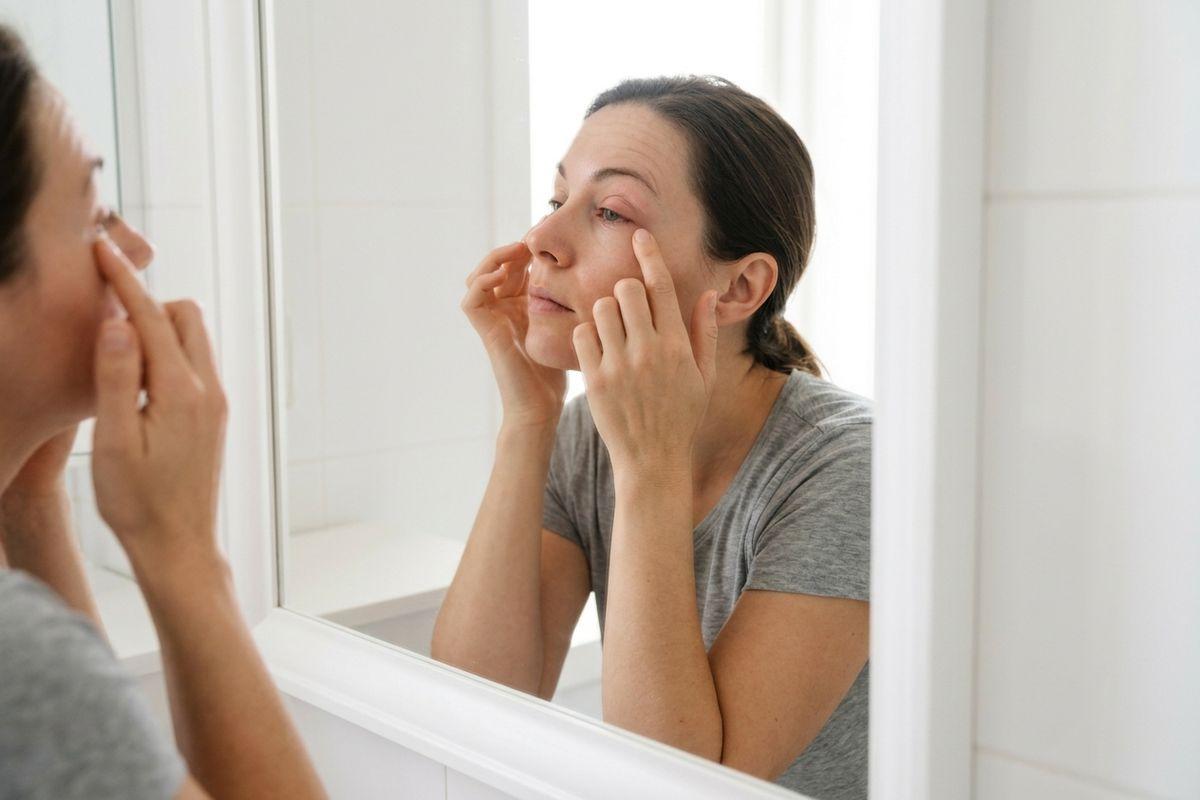
A stye often announces itself before you can see anything. You might notice tenderness or a feeling of heaviness on the eyelid first. After a day or two, a red, swollen bump usually appears, sometimes with a yellow or white center where the infection is concentrated.
Common Risk Factors
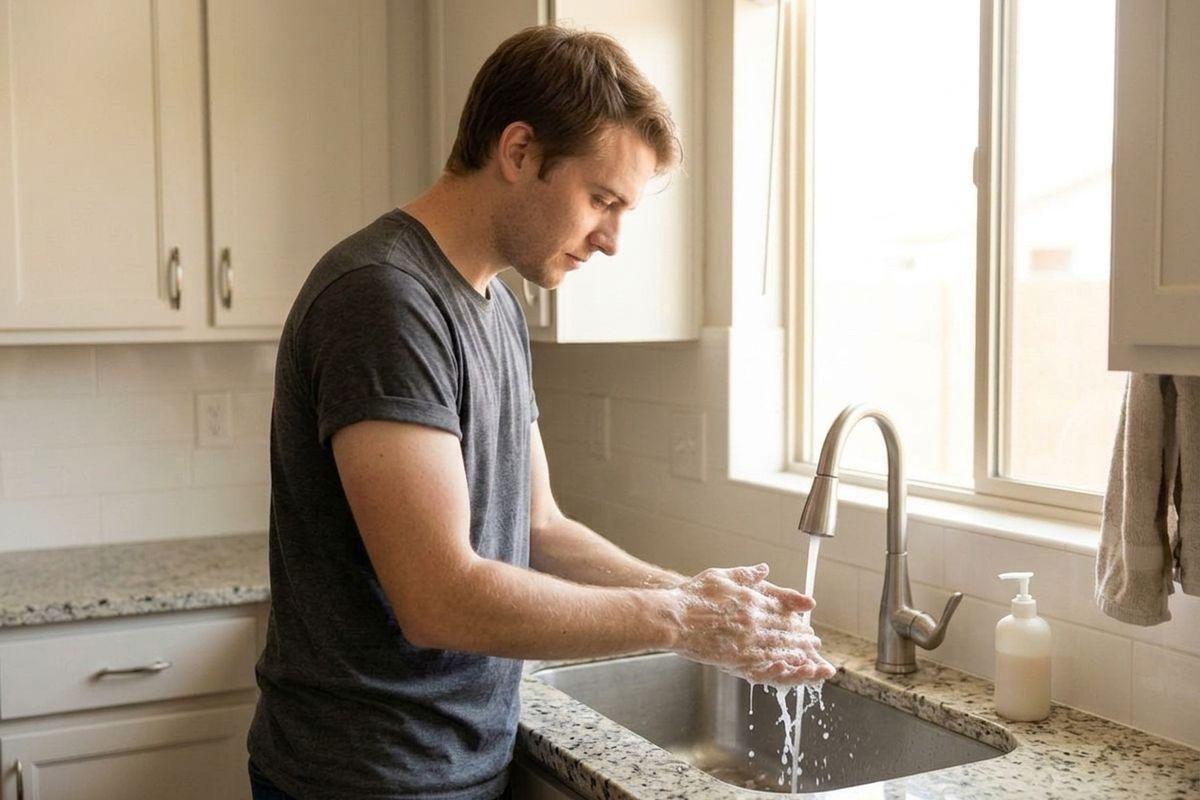
Certain habits and health conditions make styes more likely to develop. Touching your eyes with unwashed hands is one of the more common ones. Sleeping in eye makeup or using old cosmetics can also contribute, since both introduce or accumulate bacteria near the eyelid.
Health conditions like blepharitis, rosacea, and diabetes are associated with a higher likelihood of developing styes. If you have any of these, an eye doctor can talk with you about preventive steps specific to your situation.
How to Treat a Stye at Home
Warm Compress Steps
A reusable warm compress is a reliable home care option. Hold the compress against your closed eyelid for 10 to 15 minutes, and repeat that 3 to 4 times throughout the day. The warmth can help soften the blockage and encourage the stye to drain on its own.
Use a clean compress each time, and don’t share it with anyone else in the household while you’re treating the stye.
What to Avoid During Recovery
- Skip eye makeup and contact lenses until the stye has fully healed.
- Never squeeze or pop the stye at home.
- Throw away any eye makeup you used before or during the stye.
Popping a stye can push the infection deeper into the eyelid or surrounding tissue. It’s one of those situations where leaving it alone is genuinely the better move.
When to See an Eye Doctor
Most styes respond to warm compress care within a week. If yours doesn’t, or if things seem to be getting worse rather than better, it’s time to check in with an eye doctor. A comprehensive eye exam can also catch other eyelid or surface conditions that might be making you more prone to styes in the first place. Come in if:
- The stye hasn’t improved after one week of consistent home care.
- Swelling spreads beyond the eyelid, your vision changes, or you develop a fever.
- A painless lump stays behind after the stye appears to have drained.
That last point matters. A lump that sticks around without pain could be a chalazion, which is a different type of eyelid cyst that sometimes needs a different approach to treat.
We Can Help
If you’re dealing with a stye that won’t quit, or if they keep coming back, our team at Eye On Health in Phoenix is here to help. Schedule an appointment and get a clear picture of what’s happening with your eyelid health.