



Key Takeaways
- Dry eye can directly cause blurry vision when your tear film breaks down.
- Blurriness from dry eye tends to come and go, often getting worse throughout the day.
- Common contributors to dry eye include screen time, dry climates, and blocked oil glands in the eyelids.
- At-home remedies can offer short-term comfort, but consistent professional care helps manage symptoms long-term.
How Dry Eye Affects Your Vision
Yes, dry eye can cause blurry vision. When your tear film is thin and uneven or evaporates too quickly, your eyes scatter light rather than focusing it correctly. The result is a soft, shifting blur that tends to come and go during the day.
If this sounds familiar to you, our team at Eye On Health offers dry eye care designed to help you find lasting relief.
Signs Your Blurry Vision May Be Dry Eye
Common Dry Eye Symptoms
Dry eye has a number of common symptoms:
- A burning, stinging, or gritty feeling, like something is caught in your eye
- Redness, sensitivity to light, or eyes that water more than usual
- Blurry vision that clears briefly after you blink, but which keeps coming back
When Dry Eye Gets Mistaken for Other Issues
Blurriness caused by dry eye is easy to confuse with other problems. However, there are ways to determine whether it’s caused by dry eye. Some reliable indicators include:
- Your contacts feel uncomfortable or make your vision worse after prolonged use
- Your symptoms that get noticeably worse during screen time, in air-conditioned spaces, or on windy days
- Your symptoms tend to get worse as the day goes on
- Your symptoms come and go and may clear up temporarily when you blink
If any of these sound familiar, consider visiting your optometrist to get a professional opinion.
What Leads to Dry Eye
Tear Production and Tear Quality
Not all cases of dry eye have the same cause. Sometimes, people’s eyes don’t produce enough tears, while sometimes the tears that are produced evaporate too quickly to offer protection.
- Low tear production means that your eyes dry out faster than your tears can be refreshed
- Blocked oil glands in the eyelids cause tears to evaporate too quickly, even when your tear volume is normal
The second situation, called evaporative dry eye, is more common.
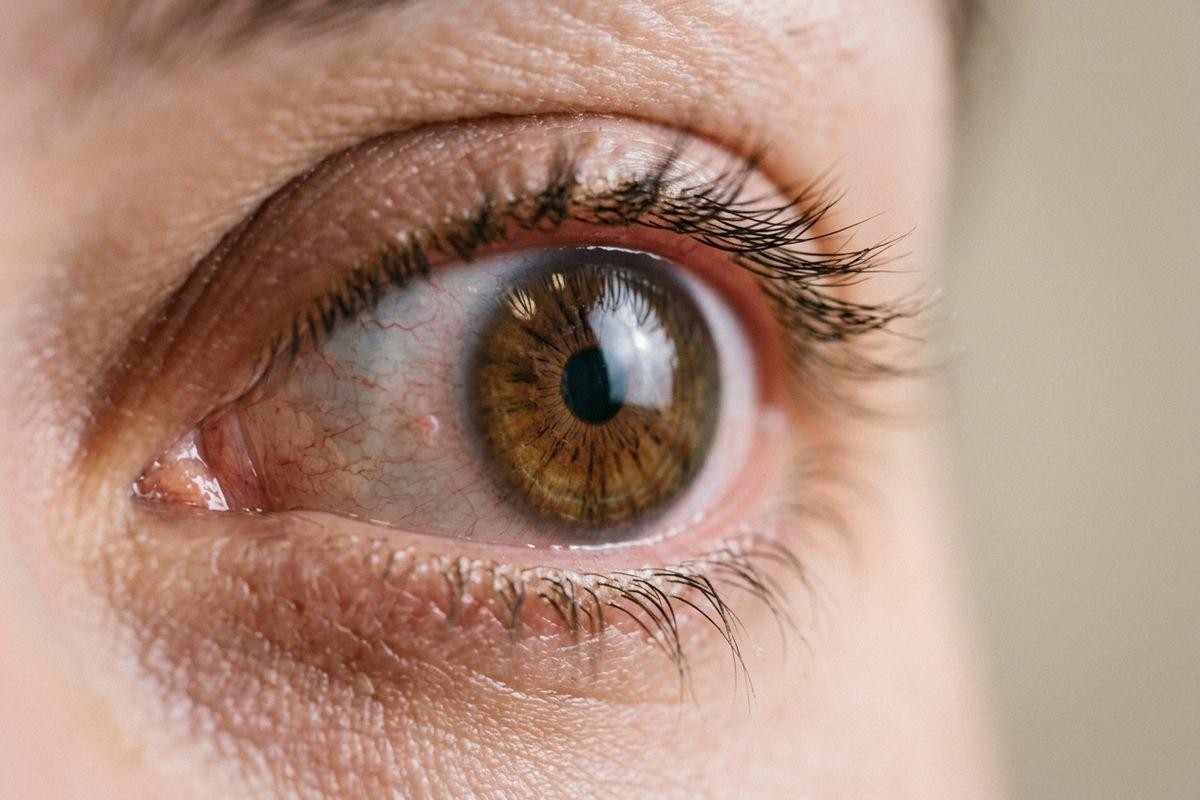
Lifestyle and Environmental Factors
Phoenix’s dry, sunny climate speeds up tear evaporation all on its own. Add screen time into the mix, and the problem compounds quickly.
- Long hours on screens reduce how often you blink, sometimes by more than half
- Dry, windy conditions pull moisture off the surface of your eyes faster than your tears can replace it
Dry Eye Care and Relief Options
At-Home Relief
A few simple habits can help relieve discomfort, especially for mild symptoms.
- Preservative-free artificial tears can add moisture and help stabilize the tear film between blinks
- Taking short blink breaks every 20 minutes during screen-heavy work gives your eyes a chance to reset. This is often referred to as the 20-20-20 rule.
In-Office Dry Eye Treatment
At-home treatments can help, but they don’t address the root cause of your discomfort. That’s where professional care comes in. Our team at Eye On Health uses in-office treatments like punctal plugs, heat therapies, and amniotic membrane contact lenses to help you find relief.
- Your eye doctor can identify whether the issue is gland blockage, low tear production, or environmental conditions
- Targeted therapies can support tear film balance based on what’s actually driving your symptoms
- Ongoing follow-up helps track how your eyes respond and keeps symptoms from getting ahead of you
When Blurry Vision Could Be More Than Dry Eye
If at-home remedies aren’t bringing the blur back into focus, a comprehensive eye exam can rule out other causes like an outdated prescription, cataracts, or other eye conditions, and confirm whether dry eye is what’s driving your symptoms.
At Eye On Health in Phoenix, Dr. Balocca takes the time to understand the root causes of your discomfort. If blurry, uncomfortable eyes have become a common part of your day, book an appointment today and find out what’s actually going on with your eye health.