

Why Pediatric Eye Exams Matter
Children’s eyes are growing and developing quickly throughout their childhood and adolescence. By attending regular eye exams, you can make sure your child is not struggling with vision problems at school, on the field, or in the studio.
Beyond checking for nearsightedness, farsightedness, and astigmatism, Dr. Balocca assesses your child’s visual development to make sure they are hitting important milestones. This is a crucial step in evaluating your child’s healthy vision, but it is usually missed during school vision screenings.
Our team is here to make your child’s eye exam welcoming and comfortable. Book their appointment today.
How Often Does My Child Need an Eye Exam?
We recommend that all school-aged children receive an eye exam each year.
For their first exam, we recommend bringing your child in for a visual development check at 6 months of age, then again around the age of 2 or 3 for annual exams.
What Happens During My Child’s Eye Exam?
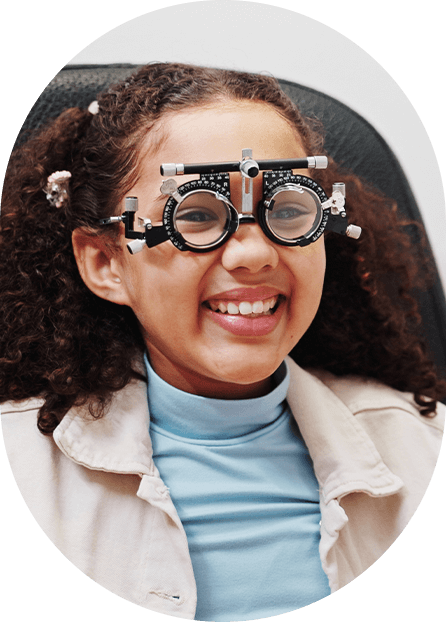
Your child’s comprehensive eye exam includes a thorough screening of their visual clarity and development.
During their appointment, Dr. Balocca will check their color vision, ocular health, how well they can see at a distance, how well their eyes work together, and for any signs of developmental concerns such as amblyopia (lazy eye) or strabismus (crossed eyes).
Many developmental conditions, such as amblyopia or strabismus, which impact the eyes’ ability to work together and affect eye muscle coordination, require interventions such as corrective lenses, vision therapy, or specialty eyewear to correct. They will not get better on their own. Routine eye exams are the most effective way to catch these conditions early, while they are most treatable.
How Does Vision Impact Learning?
Vision is an integral part of classroom learning, but it can also affect your child’s development in sports and social settings. Children with undiagnosed vision problems may struggle to perform academically, as well as learn and practice skills like hand-eye coordination.
In addition to impacting your child’s success in school and beyond, undiagnosed vision problems can cause symptoms that are similar to dyslexia, ADHD, learning disabilities, or behavioral problems, such as difficulty with reading, a short attention span, and a dislike of near work.
By assessing their eyes and vision regularly, our team can make sure a vision problem doesn’t go unnoticed. It can also be an important step in receiving a diagnosis for a learning disability or behavioral condition, as ruling out or treating a vision problem can make treatments or tutoring more effective.
Signs of Vision Problems in Children
Children often struggle to express their vision problems, either because they lack the vocabulary or because they don’t understand what clear vision looks like. They may think that everyone sees the same way they do.
However, several signs and behaviors may indicate that your child is experiencing a vision problem, including:
- Frequent eye rubbing or blinking
- Frequent complaints of headaches or tired eyes
- Covering one eye or tilting their head to see or read
- Holding books or devices close to their face
- Short attention span
- Difficulty learning the alphabet or how to read
- An eye turning in or out
If you notice any of these signs in your child, bring them in for a comprehensive eye exam. Our team can assess their vision and eye movements to determine if a vision problem is at play.
Preserving Their Eyesight with Myopia Control
Children with myopia (nearsightedness) often experience rapid progression, or worsening, of their eyesight as their eyes grow. Children with myopia may experience eye elongation, where their eyes grow longer than in individuals without myopia.
Eye elongation makes vision clarity worse, increasing their prescription and making it harder to see anything without corrective lenses. Additionally, high myopia can increase the risk of serious eye conditions later in life, including retinal detachment, myopic maculopathy, and cataracts.Myopia control is an emerging field of research that continues to develop new techniques and eyewear to slow the progression of myopia in children. One of these techniques is myopia control glasses, which work to slow myopia progression while simultaneously correcting myopia for clear vision. We carry and fit Stellest lenses for children receiving myopia control treatment.
Support Your Child’s Healthy Visual Development
Annual eye exams can prevent undiagnosed vision problems and support your child’s visual development from infancy to adolescence.
Our team is experienced in working with children and can help put them at ease. We’re here to support your child’s vision and keep them involved in the sports and activities they enjoy without unnecessary barriers.
If it’s been more than a year since your child’s last eye exam, book their appointment today.



Visit Our Location
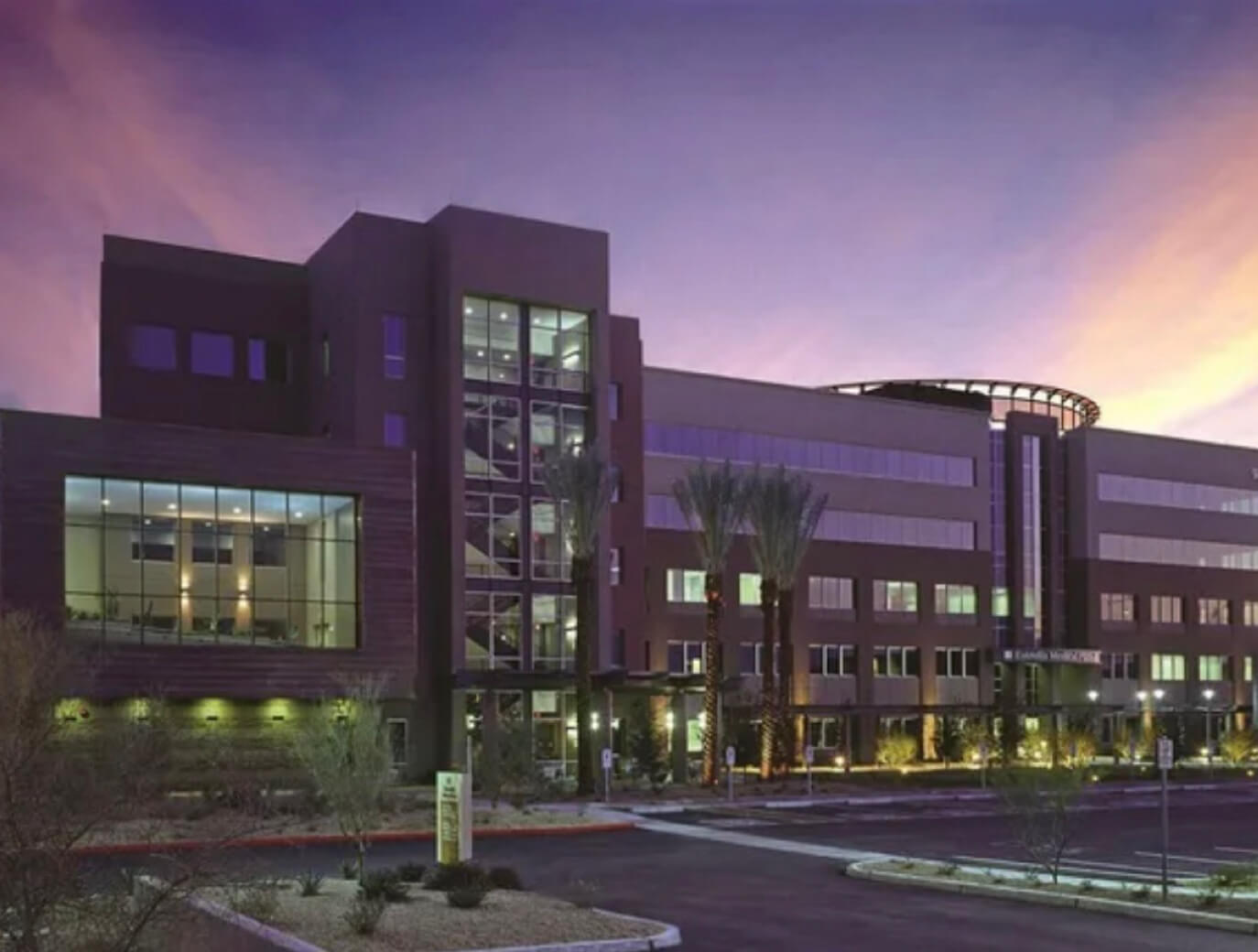
We’re located in Suite 300 of the Estrella Medical Plaza off West Thomas Road. There is plenty of parking available.
Our Address
Contact Information
- Phone: 480-809-0550
- Fax: 623-321-6314
- Email: info@eyeonhealthphx.com
Hours of Operation
Read Our Google Reviews


About Us
Specialty Eye Care
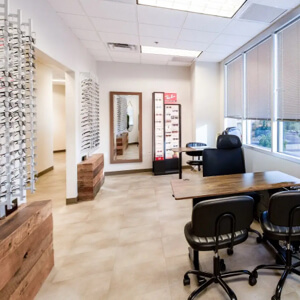
Eyewear & Contacts
Find Us
- Phone: 480-809-0550
- Fax: 623-321-6314
- Email: info@eyeonhealthphx.com