
Compassionate Eye Care for All
A comprehensive eye exam is about more than just updating your glasses prescription. It’s a vital part of your preventive healthcare routine.
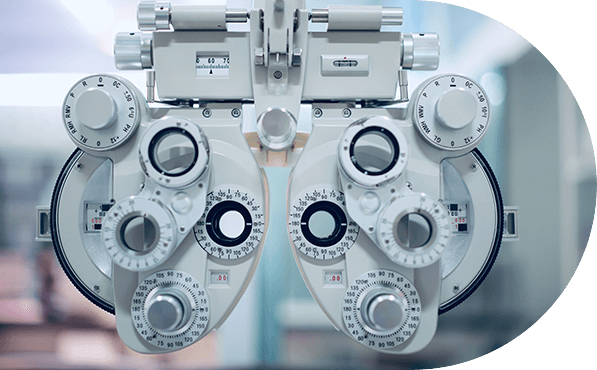
In fact, did you know that most eye problems don’t show obvious signs or symptoms during their early stages? We use diagnostic technology such as retinal imaging, OCT, and visual field testing to examine your eyes for small signs that could indicate a serious problem. If there is something amiss with your eye health, an early diagnosis can help preserve your vision.
Our team provides compassionate eye care for the whole family. Whether you just need a routine eye exam or you’ve been diagnosed with an eye condition, we’re here to provide the care you need. Book your appointment with us today.
How Often Should I Have an Eye Exam?
We recommend annual eye exams for everyone. This allows us to monitor your eyes for any changes between visits and detect signs of eye disease or sight-threatening conditions during their early, and most treatable stages.
If you have a pre-existing condition, we may recommend a more frequent exam schedule tailored to you.
What to Expect During an Eye Exam
When you come to Eye On Health for a routine, comprehensive eye exam, your evaluation will consist of several parts. While testing your visual acuity (how clearly you can see at various distances) is an important part of an eye exam, many other components make up a truly comprehensive assessment.
With his focus on preventive health, Dr. Balocca performs a thorough evaluation of your eye health, your visual function, and how your overall health may be impacting your eyes and vision. Your exam will include history taking, reviewing any symptoms you may have, checking your vision and eye function, and assessing your eye health.
Together with his team, Dr. Balocca is happy to answer any questions you have during your exam.
When you arrive for your appointment, you’ll be asked to fill out some patient information forms that ask about:
- Your medical history
- Any current medications or eye drops you’re using
- Family history of eye diseases
- Any past surgeries you’ve had
Thoroughly understanding your health history can help Dr. Balocca to assess your eyes for certain conditions and to recommend a tailored exam schedule for you.
Your current symptoms help provide essential insight to us during your eye exam. Our team will ask questions during your appointment, such as:
- Have you been experiencing blurry vision?
- Have you noticed frequent watery eyes?
- Are your eyes often uncomfortable, irritated, or scratchy?
The answers to these questions can help us determine whether you might be experiencing an eye condition, and if we should complete additional testing targeting that concern.
We’ll check your visual acuity during your exam. This test checks how well your eyes can see at various distances to measure your distance and reading vision.
Vision testing determines if you need corrective lenses, and if you have glasses or contact lenses already, vision testing confirms whether you need an updated prescription.
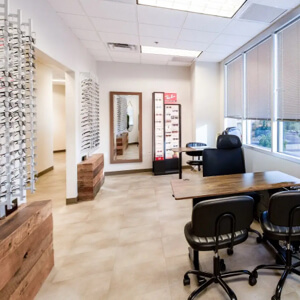
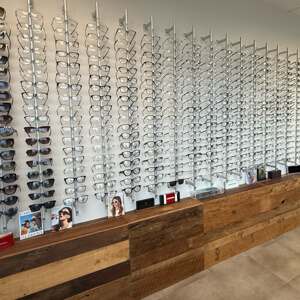
If you do need new lenses, our team is happy to assist you at the end of your comprehensive eye exam.
Measuring different aspects of your eyes’ functionality helps Dr. Balocca understand how well your eyes work together. We assess key areas, including:
- Depth perception
- Color vision
- Eye muscle coordination
- Peripheral (side) vision
- Responsiveness to light
These tests determine if your eyes are focusing, moving, and working together properly. They can also reveal underlying eye conditions that you may have.
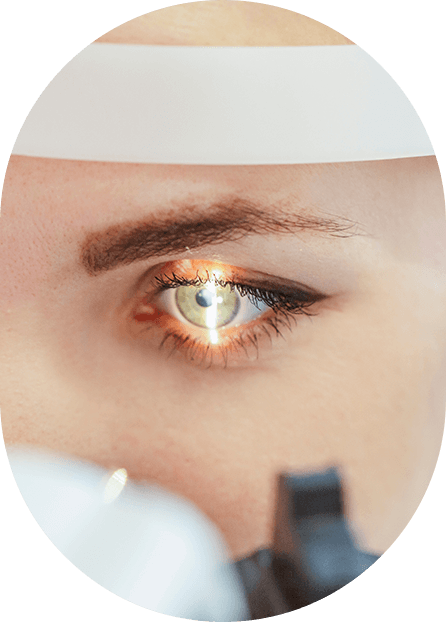
Dr. Balocca evaluates your eye health through both visual inspection and diagnostic testing. He uses a slit lamp microscope to see the inside of your eyes and inspect them for any signs of disease. In certain cases, he may need to dilate your pupils for a better view.
In addition to the microscope, our team uses technology such as the Optos retinal imaging camera, optical coherence tomography (OCT), and tonometry to evaluate your eye health. Retinal imaging and OCT allow Dr. Balocca to examine your eyes from different views, and tonometry checks your eye pressure, which is a vital test to screen for glaucoma.
By evaluating your eye health, Dr. Balocca can detect signs of eye conditions early, sometimes before you notice any symptoms at all. This is a vital part of a comprehensive eye exam.
Common Conditions We Screen for During Your Exam
During your eye exam, Dr. Balocca and the team check for common conditions, including vision problems, dry eye, eye strain, and eye diseases.
Your reported symptoms will also help direct your exam to make sure we determine the cause behind any vision errors or eye comfort issues.
Our goal is to keep your eyes healthy and happy long-term. If you’re experiencing any discomfort, no matter how small, be sure to let Dr. Balocca and our team know during your appointment.
Refractive errors refer to vision problems such as nearsightedness (myopia), farsightedness (hyperopia), astigmatism, and presbyopia.
Each of these vision problems affects how light focuses on your retina, causing blurry vision. They can be corrected through wearing glasses or contact lenses.
Dry eye is a common, yet uncomfortable condition that causes your eyes to feel gritty, scratchy, and irritated. It is caused by an imbalance of the tear film, affecting eye lubrication.
We screen for dry eye during your eye exam. If we notice any issues with your tear film, or you report symptoms of dry eye, we’ll complete a thorough evaluation of your tears and tear glands to determine the cause of your discomfort and design a treatment plan.
Do you notice your eyes feeling dry or fatigued after spending a prolonged period working on the computer or looking at your phone? You may be experiencing digital eye strain, which is also known as computer vision syndrome.
This common modern problem can be a hindrance at work or with leisure activities. If you’re experiencing discomfort while using screens, let us know. We can provide tailored advice or specialty eyewear that reduces this strain.
Beyond common vision errors and conditions, Dr. Balocca also monitors your eyes for signs of eye diseases, including diabetic eye disease, glaucoma, AMD, and cataracts. Many of these conditions can begin with little to no symptoms, making a comprehensive eye exam the most reliable way to detect them during their early stages.
Additionally, many systemic health conditions like heart disease, diabetes, hypertension, and certain cancers can be detected through a routine eye exam. As your optometrist examines your eyes, they can notice the impacts of these conditions on the blood vessels and structures inside your eye. Because of this, eye exams play an important role in your overall healthcare.
Let Us Help You Care for Your Eyes
Think of a comprehensive eye exam as a crucial step in keeping an eye on your overall health. It’s truly amazing how much an early diagnosis can help protect and preserve your precious vision if something is starting to go wrong.
We want you to feel completely comfortable and cared for here. Our friendly team offers compassionate eye care for all, including the youngest members of your family. Whether it’s just time for your regular check-up or you need support and treatment after an eye condition diagnosis, we are dedicated to giving you the personalized care you deserve.
We’d love to see you—go ahead and book your appointment with us today!


Visit Our Location
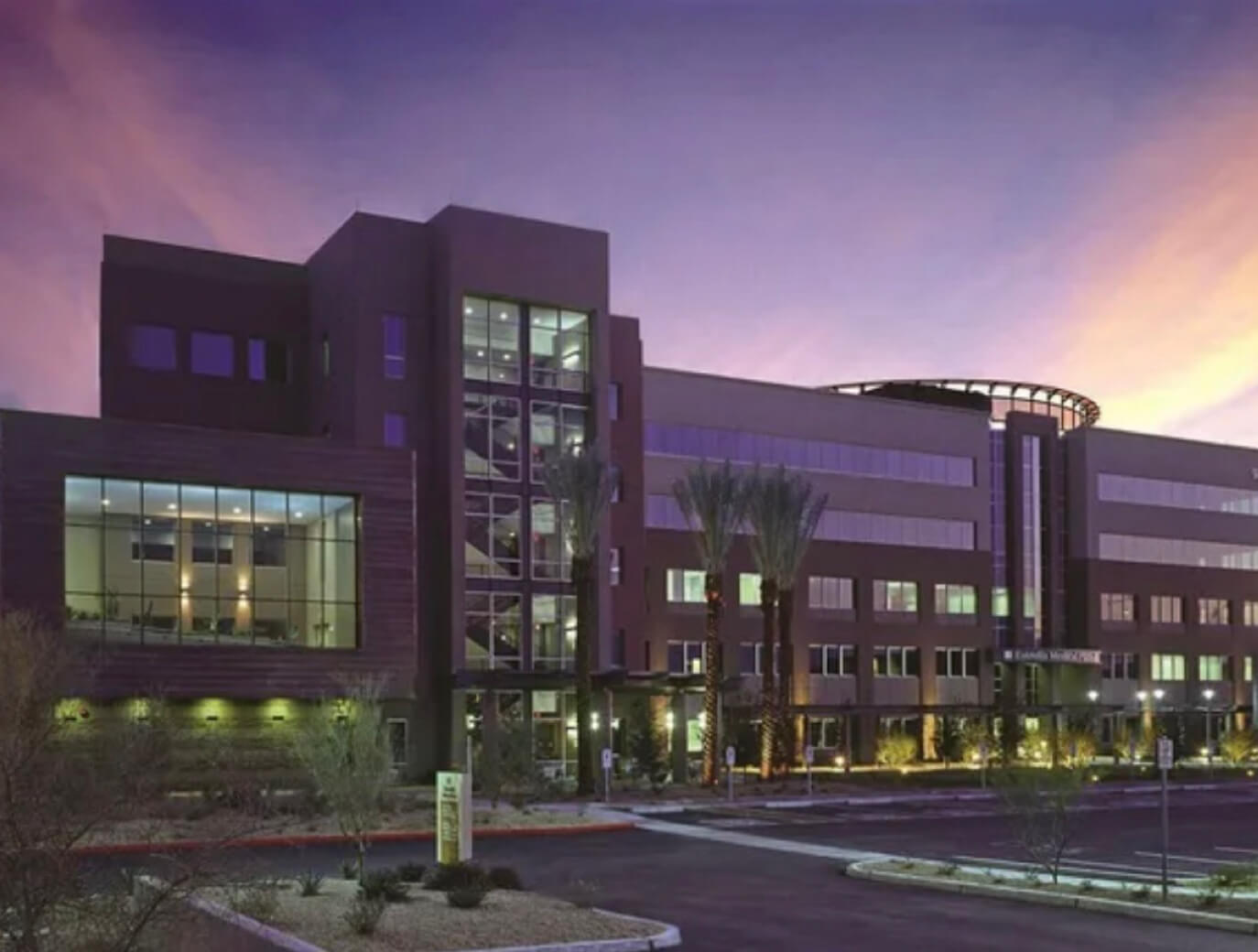
We’re located in Suite 300 of the Estrella Medical Plaza off West Thomas Road. There is plenty of parking available.
Our Address
Contact Information
- Phone: 480-809-0550
- Fax: 623-321-6314
- Email: info@eyeonhealthphx.com
Hours of Operation
Read Our Google Reviews


About Us
Specialty Eye Care
Eyewear & Contacts
Find Us
- Phone: 480-809-0550
- Fax: 623-321-6314
- Email: info@eyeonhealthphx.com