



Monitoring Eye Health for Early Detection
A comprehensive eye exam is an important piece of preventive healthcare. Your optometrist will screen for common eye conditions, and can also check for signs of systemic health problems, such as diabetes, hypertension, and heart disease, based on the health of your ocular blood vessels.
Many eye diseases can damage your vision permanently and may progress without noticeable symptoms. This makes an eye exam crucial for the early detection of eye diseases to prevent vision loss.
If it has been more than 1 year since your last exam, it’s time to get your eyes checked. Book your comprehensive eye exam with us today.
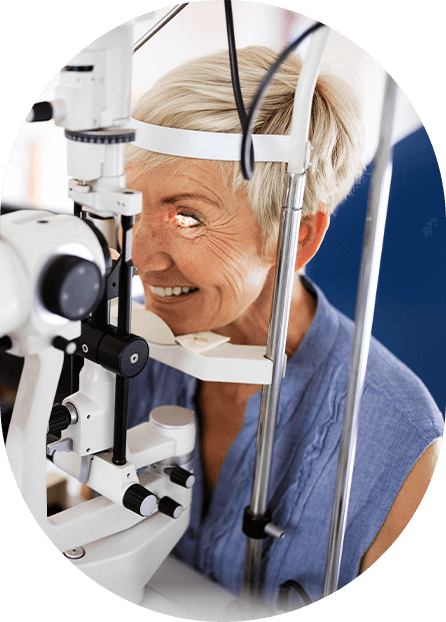
Prevention Is Key
Many eye diseases develop without noticeable symptoms. The strongest defense you have against eye diseases and the vision loss they can cause is proactive healthcare.
Booking routine eye exams, which screen for common conditions, and supporting your eyes through nutrition, UV protection, and other health habits can work together to support your long-term ocular health.
AMD Testing and Management
Age-related macular degeneration (AMD) is an eye disease that affects the macula, which is part of the retina responsible for your central vision and most of your color vision. AMD is the leading cause of severe vision loss in adults over 50.
Your central vision is responsible for reading, writing, driving, and recognizing faces, so any amount of central vision loss can severely impact your day-to-day life. You may not experience any pain or symptoms as AMD progresses. That’s why routine eye exams are important to catch AMD before severe vision loss occurs.
We use OCT scans, which map the layers of your retina and allow us to monitor the health of your macula, along with retinal imaging to screen for AMD. If we find signs of the diseases, we’ll use these devices to continue monitoring your condition.
AMD comes in two forms: dry and wet. Dry AMD is responsible for the majority of cases and occurs when the tissue of the macula becomes thin and stops working properly. One of the primary defences against macular degeneration is proper eye nutrition. The National Eye Institute Researchers linked lutein, zeaxanthin, omega-3, zinc, and vitamins C and E to reducing the risk of AMD and slowing its progression.
We carry specially formulated supplements made for people at risk of or diagnosed with AMD. If we determine you are at risk, we’ll discuss the recommended supplements and dosage that will support your eyes.
Other Common Eye Diseases We Manage
We also screen for and manage other eye diseases and conditions such as glaucoma, cataracts, diabetic eye disease, and more. By monitoring, diagnosing, managing, and treating these conditions, we help you to maintain your overall eye health for years to come.
Glaucoma is a group of eye diseases characterized by damage to the optic nerve. The optic nerve sends visual information from your eyes to your brain, so damage to this structure can impair your vision.
There are several types of glaucoma, but the most common is open-angle glaucoma. In open-angle glaucoma, the internal eye pressure increases due to problems with the eye’s drainage system. This increased pressure causes damage to the optic nerve, often without pain or symptoms before vision loss occurs.
We help to monitor for glaucoma through eye pressure checks, visual field testing, and OCT scans. Open-angle glaucoma can be managed through medications or surgery, as needed.
Diabetic eye disease is a group of diseases caused by diabetes. This includes diabetic retinopathy and diabetic macular edema.
Diabetic retinopathy occurs when the delicate blood vessels in the eye are damaged due to consistently elevated blood sugar levels. These blood vessels may leak blood and other fluids into the eye, causing the retinal tissue to swell and affecting vision.
If diabetic retinopathy progresses, it can lead to macular edema. This occurs if the blood vessels leak fluid behind the macula, permanently damaging central vision. Diabetic eye disease is most effectively prevented through close management of your diabetes and blood sugar, along with regular diabetic eye exams.
A cataract occurs when the normally clear lens of the eye becomes cloudy or opaque. Cataracts typically develop with age, and are most common in people over 55; however, there are cases where trauma, medications, or systemic health problems such as diabetes cause them to develop in younger people.
Cataracts are managed through updated eyewear prescriptions. If the cataract progresses to the extent that your vision is impacted even with corrective lenses, we can discuss cataract surgery options.
Conjunctivitis, or pink eye, is the swelling or inflammation of the conjunctiva, which is the thin, transparent layer that lines the inner surface of the eyelid and covers the white part of the eye. Causes of conjunctivitis vary, so we recommend getting an eye exam to determine the cause and appropriate treatment. Causes include:
-
- Bacterial or viral infection: Infectious conjunctivitis is highly contagious. Medicated eye drops are typically prescribed to clear the infection.
-
- Allergic conjunctivitis: An allergic reaction can also cause inflammation of the conjunctiva. Antihistamines may be prescribed to reduce swelling and irritation.
-
- Chemical conjunctivitis: Caused by irritants like air pollution, chlorine in swimming pools, and exposure to noxious chemicals. If you experience chemical conjunctivitis, you may require emergency eye care.
Dry eye, or ocular surface disease, is a common condition that occurs when someone cannot produce a sufficient tear layer or good-quality tears to lubricate and nourish their eyes.
Without a sufficient tear layer, the eyes may feel gritty, scratchy, and irritated. There are many causes of dry eye, so your treatment will begin with determining the root cause of your symptoms, then designing a treatment regimen that targets it.
Floaters are small, semi-transparent spots that appear to “float” around the vision. They are caused by particles within the vitreous, which is the clear, jelly-like fluid inside the eye.
Although most spots are not harmful, they can indicate more serious problems. If you notice a significant increase in the number of floaters, or they are accompanied by flashes of light, it could indicate a more serious condition. If you notice significant or sudden changes to your vision, call us to book an appointment immediately.
Our Screening Technology to Monitor Eye Health
Our eye care technology allows us to screen for common eye conditions. These devices capture images and test eye pressure, peripheral vision, and other areas of vision to maintain a record of your healthy baseline and track any changes to your eye health over time.
Learn more about the technology we use to care for your eyes:
We use the iCare device to perform a no-puff eye pressure test. This test is an important diagnostic tool in screening for glaucoma, an eye disease that involves elevated eye pressure and can cause vision loss.
Optos retinal imaging captures an ultrawide view of the retina, which is the light-sensitive tissue inside the eye. This helps us monitor the health of your retina, optic nerve, blood vessels, and more.
Optical coherence tomography (OCT) scans use light waves to map the inside of your eye. OCT scans map the layers of the retina, allowing us to detect any changes to your eye health or retinal thickness over time.
Your visual field refers to the entire area you can see in all directions while your eyes are fixed on a central point. We test and track your visual field measurements to catch any changes to your peripheral vision between visits, which can indicate eye diseases such as glaucoma.
Protect Your Eyes with Annual Exams
A comprehensive eye exam is the first line of defense against eye diseases. Routine screenings can help to catch eye conditions in early stages, to prevent vision loss, and maintain ocular health.
Whether you’re proactively caring for your eyes or you’ve been diagnosed with an eye condition, we’re here to guide you through your care. Visit us for a comprehensive eye exam today.






Visit Our Location
We’re located in Suite 300 of the Estrella Medical Plaza off West Thomas Road. There is plenty of parking available.

Our Address
Contact Information
- Phone: 480-809-0550
- Fax: 623-321-6314
- Email: info@eyeonhealthphx.com
Hours of Operation
Read Our Google Reviews





About Us
Specialty Eye Care
Eyewear & Contacts
Find Us
- Phone: 480-809-0550
- Fax: 623-321-6314
- Email: info@eyeonhealthphx.com