


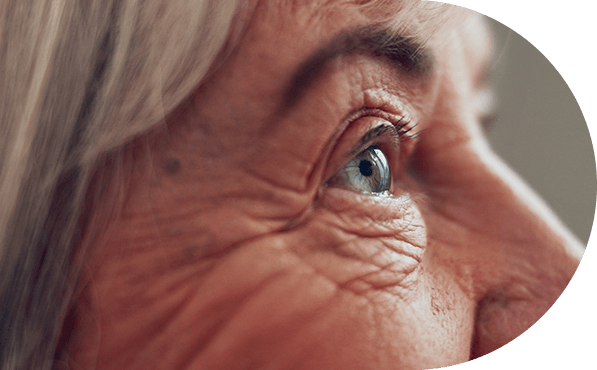
Defend Against Complications of Diabetes
More than 40 million Americans are living with diabetes, which can affect overall health, including vision.
Diabetes affects your body’s ability to process sugar in your diet, leading to an elevated blood sugar level. Over time, this elevated blood sugar can cause damage to your blood vessels, including the sensitive ones in your eyes.
At Eye On Health, our health-centered eye exams include in-depth evaluations for kids and adults living with diabetes. By monitoring your eye health, we can catch signs of complications early that could impact your vision if left untreated. This monitoring can also support your overall health and diabetes management plan.
Book your diabetic eye exam with us today.
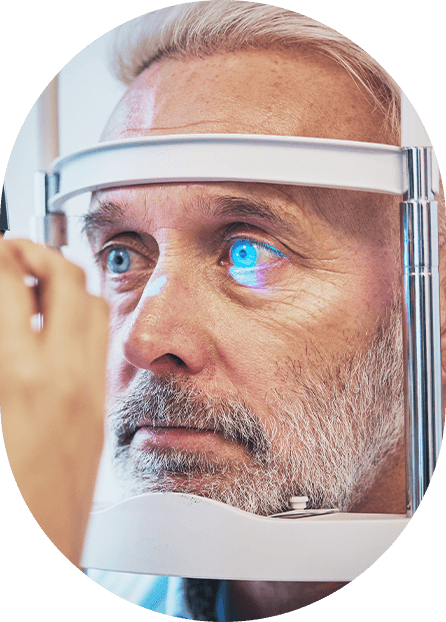
How Does Diabetes Affect Vision?
Consistently elevated blood sugar levels can cause damage to the blood vessels in your eyes. This can cause your blood vessels to weaken and leak fluid into your eye, causing complications such as diabetic eye disease, glaucoma, or the early formation of cataracts.
You may notice blurry vision from these conditions, although often no symptoms arise until irreversible vision loss occurs. That’s why regular eye exams are imperative.
What Is Diabetic Eye Disease?
Diabetic eye disease refers to a group of conditions, including diabetic retinopathy and diabetic macular edema, which are complications of diabetes.
Unmanaged blood sugar can have a significant impact on eye health, leading to vision loss if left untreated. The first line of defense against diabetic eye disease is keeping tight control over your blood sugar levels, listening to the advice of your primary care providers, and attending routine eye exams to check on the health of your eyes.
Because the inside of the eye is the only part of the body where blood vessels can be seen through a noninvasive microscope or camera, eye exams remain a vital part of your overall diabetes treatment and management plan. We’ll help keep an eye out for diabetic eye diseases and your overall well-being.
Diabetic retinopathy is an eye disease that is caused by damage to the blood vessels. Over 50% of people with diabetes are expected to develop diabetic retinopathy at some point. It often does not present obvious symptoms during early stages, although some people may experience blurry vision, trouble reading, or difficulty seeing faraway objects.
As it progresses, diabetic retinopathy can cause the blood vessels in your retina to swell, eventually breaking and bleeding into the eye. This can cause permanent vision loss.
Diabetic macular edema occurs when diabetic retinopathy progresses and impacts the macula. The macula is a small part of the retina responsible for your central and color vision.
When blood vessels leak into the macula, it can cause loss of central vision and impair the ability to read, write, drive, or recognize faces. If left untreated, this condition can lead to blindness.
Glaucoma and cataracts are two possible complications of diabetes. Glaucoma occurs when the optic nerve is damaged, often by increased pressure inside the eye, and can lead to vision loss. Diabetes doubles the risk of developing glaucoma.
Cataracts are a normal part of aging, as the lens of our eye gradually clouds as we get older. They can cause cloudy or hazy vision and reduce your ability to see color. However, diabetes increases the likelihood of developing cataracts and of developing them at a younger age.
How We Monitor and Detect Diabetic Eye Disease
We monitor your eyes for signs of complications due to diabetes through routine, comprehensive exams. These appointments are usually recommended on an annual basis, although individuals with diagnosed eye conditions or at high risk may receive a more frequent eye exam schedule.
During every diabetic eye exam, we’ll use the Optos ultra-widefield imaging to examine the inside of your eye. This camera captures a digital image of over 80% of your retina (the tissue lining the inside of your eye), which allows us to monitor the overall health of key eye structures, including the retina, blood vessels, optic nerve, and macula.
We’ll also use optical coherence tomography (OCT) to capture a cross-sectional image of your eye. This device uses light waves to map the layers of your eye, allowing us to monitor any changes to the thickness of each layer that could indicate signs of disease.
Additionally, all our diabetic eye exams include dilation. This process involves using special eye drops to widen the pupil so Dr. Balocca can get a better view of the inside of your eye. This is especially important for anyone living with diabetes, due to the increased risk of eye conditions. Dilation can cause light sensitivity or blurry vision for a few hours, so we recommend bringing sunglasses and planning not to drive yourself to your appointment.
Comprehensive Care to Prevent Vision Complications
Diabetes can have serious impacts on your eye health and vision. Scheduling regular diabetic eye exams can help your optometrist catch signs of problems early and prevent vision loss.
Beyond assessing your eye health, Dr. Balocca is experienced in helping people manage their risk of diabetic eye disease. He can provide additional advice on how to protect your eyes and overall health, such as important habits to incorporate into your daily life that can help manage your blood sugar and diabetes.
We’re here to support your eyes for lifelong healthy vision. Book your diabetic eye exam today.






Visit Our Location
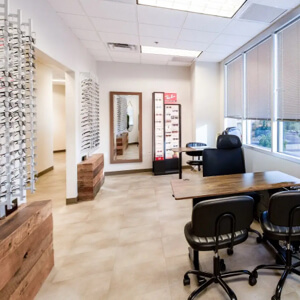
We’re located in Suite 300 of the Estrella Medical Plaza off West Thomas Road. There is plenty of parking available.

Our Address
Contact Information
- Phone: 480-809-0550
- Fax: 623-321-6314
- Email: info@eyeonhealthphx.com
Hours of Operation
Read Our Google Reviews





About Us
Specialty Eye Care
Eyewear & Contacts
Find Us
- Phone: 480-809-0550
- Fax: 623-321-6314
- Email: info@eyeonhealthphx.com